
Homeschooling in 2026: A Practical Guide for Parents
In This Article
- ARTICLE
- January 30, 2026
- 6:39 am
Home education continues to grow, with recent figures suggesting that around 15% of families are now choosing this path at the start of 2026. For many parents, this decision comes from a sense that mainstream systems are struggling to meet children’s academic, emotional, and moral needs. Others are responding to wider changes in society, where rapid technological progress, shifting career paths, and growing social pressures are raising serious questions about how best to prepare the next generation.
Homeschooling is not a quick fix, and it is not a decision to take lightly. It can, however, be a deeply rewarding journey when approached with care, realism, and commitment. This guide is written for parents who are new to homeschooling and want a clear, supportive overview of what to expect and how to begin in a way that feels steady and sustainable.
Starting Homeschooling in 2026
This guide assumes your child is currently attending a mainstream school and that you are considering a transition to home education. One of the first factors parents often ask about is age. In general, younger children adapt more easily, simply because their routines and expectations are still flexible. Many families find that starting around Years 3 or 4 works particularly well, but children of all ages can succeed when the right structure and support are in place.
What matters more than age is preparation. Children cope best when changes are explained clearly, when they feel involved in the process, and when homeschooling is presented not as a loss, but as a positive new chapter.
In the UK, parents have the legal right to educate their children at home, provided that a suitable education is in place, as outlined in government guidance on elective home education.
Making the Decision to Homeschool
The decision to homeschool is the foundation of everything that follows. It requires an honest assessment of your family’s lifestyle, time, and capacity. Parents should think carefully about whether they plan to teach their child themselves, rely on tutors, or use an online school to support the academic side.
It is also very important that your child is part of this decision. Talk to them openly about why you are considering homeschooling and what it will look like day to day. If your child is currently in a physical school, plan the transition thoughtfully. Reassure them that homeschooling does not mean isolation. They can keep existing friendships and build new ones through activities and group learning.
Many families find it helpful to mark the transition with a proper goodbye. Allowing your child to say farewell to classmates and teachers gives emotional closure and helps them step forward with confidence rather than uncertainty.
Creating a Homeschool Plan for 2026
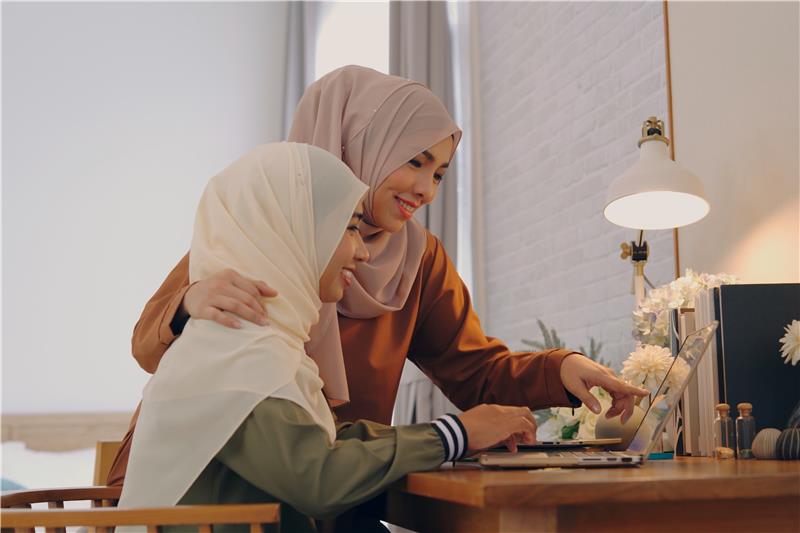
Before formally withdrawing your child from school, it is important to have a clear plan in place. This does not need to be rigid or overly detailed, but it should give shape to your days and weeks.
A good homeschool plan includes a balanced routine with time for learning, social interaction, physical activity, and rest. Alongside academic study, think carefully about your child’s social world. Activities such as madrasah, Qur’an classes, sports clubs, martial arts, football, scouts, or other interest-based groups play a major role in building confidence and friendships. Local homeschooling groups are also extremely valuable, as they provide regular opportunities for group learning and shared experiences.
When planning, it is better to start gently and build up over time. Overloading the timetable often leads to frustration for both parents and children. Flexibility is one of homeschooling’s greatest strengths, so use it wisely. Sharing your plan with extended family can also be helpful, as it creates understanding and support around your decision.
The First Week at Home
Once you have decided to homeschool, this is a significant step, and one worth acknowledging. The first week is not about academic output. It is about reassurance, trust, and setting the tone for the months ahead.
Children need to feel that this new arrangement is safe, purposeful, and enjoyable. A clear routine helps enormously, as it gives structure without pressure. When children sense that there is a plan and that their needs have been thought through, they are far more likely to engage positively.
Families often face difficulties when homeschooling begins without preparation. In those cases, children may feel that something important has been taken away without being replaced. Planning helps avoid this and allows homeschooling to feel like a step forward rather than a step back.
Settling In During the First Month
The first month is a natural review point. This is the time to observe how your child is responding and to reflect on what is working well and what may need adjustment. Conversations with your child are key here. Ask them how they are feeling about the routine, the learning, and their activities.
At this stage, small changes can make a big difference. Adjusting start times, lesson lengths, or activity choices early on can prevent longer-term frustration and help the routine settle more naturally.
Do Parents Have to Teach Everything Themselves?
Many parents worry that homeschooling means taking full responsibility for teaching every subject. In reality, this is not the only option, and for many families it is not the most sustainable one.
Using an online school can provide academic structure and consistency, while parents focus on family life, character development, and social opportunities. This balance often reduces stress and helps prevent burnout, especially in households where parents are already managing multiple responsibilities.

Teaching Your Child at Home as Parents
Some families do choose to teach their children themselves, and this can work well when responsibilities are shared. Often, parents divide subjects according to their strengths, allowing each to contribute in a way that feels manageable. One parent may take on more academic teaching, while the other focuses on routines, activities, and social engagement.
This approach usually requires a high level of coordination and a genuine lifestyle adjustment. Both parents need to stay involved to maintain consistency and avoid imbalance over time.
Academic Support Through Asra Hub
Since 2018, Asra Hub has supported home-educated students across the world. Children are taught by UK-qualified teachers who understand the educational context and are able to build strong connections with students.
Regular assessment and clear communication mean that parents are kept informed about academic progress at every stage. When families work closely with teachers and follow structured guidance, children benefit from both academic clarity and emotional stability.
Reviewing Progress and Making Adjustments
Homeschooling is not a fixed system. Regular review is essential. Pay attention to feedback from teachers, changes in your child’s motivation, or signs of distraction and disengagement.
If concerns arise, address them early. Meetings with teachers or school leaders can provide useful direction and practical advice. The same principle applies to social activities. Children’s interests change, and their schedules should change with them. Make sure they have time to relax and are not overwhelmed by commitments.
Is Homeschooling Having a Positive Impact?
Homeschooling works best when viewed as a long-term commitment. Progress is gradual and depends on consistency, age, and individual circumstances. Some families come to homeschooling after difficult experiences such as bullying or exposure to harmful influences. In these cases, improvement often takes time and may require additional professional support alongside a stable home routine.
Over the years, families commonly report outcomes such as stronger family relationships, closer alignment with Islamic values, more time for deen, healthier friendships, growth in hobbies and skills, and clearer focus on future goals. Some students also benefit academically through early GCSE or A Level entry and, in certain cases, earlier progression to higher education.
Homeschooling Priorities for 2026
For parents starting homeschooling in 2026, clarity and balance are key. A realistic plan, honest self-assessment, and open communication with your child form the foundation of a positive experience. Academic support, whether through parents or an online school, should be paired with meaningful social engagement and regular review.
Homeschooling is a journey rather than a destination. With patience, structure, and reflection, it can become a calm and purposeful way of supporting your child’s growth in both learning and character.